
📋 TL;DR Key Takeaways
- 🌸Spring fatigue is real and treatable. Allergies, disrupted sleep, dehydration, and hormone shifts all stack up between March and May.
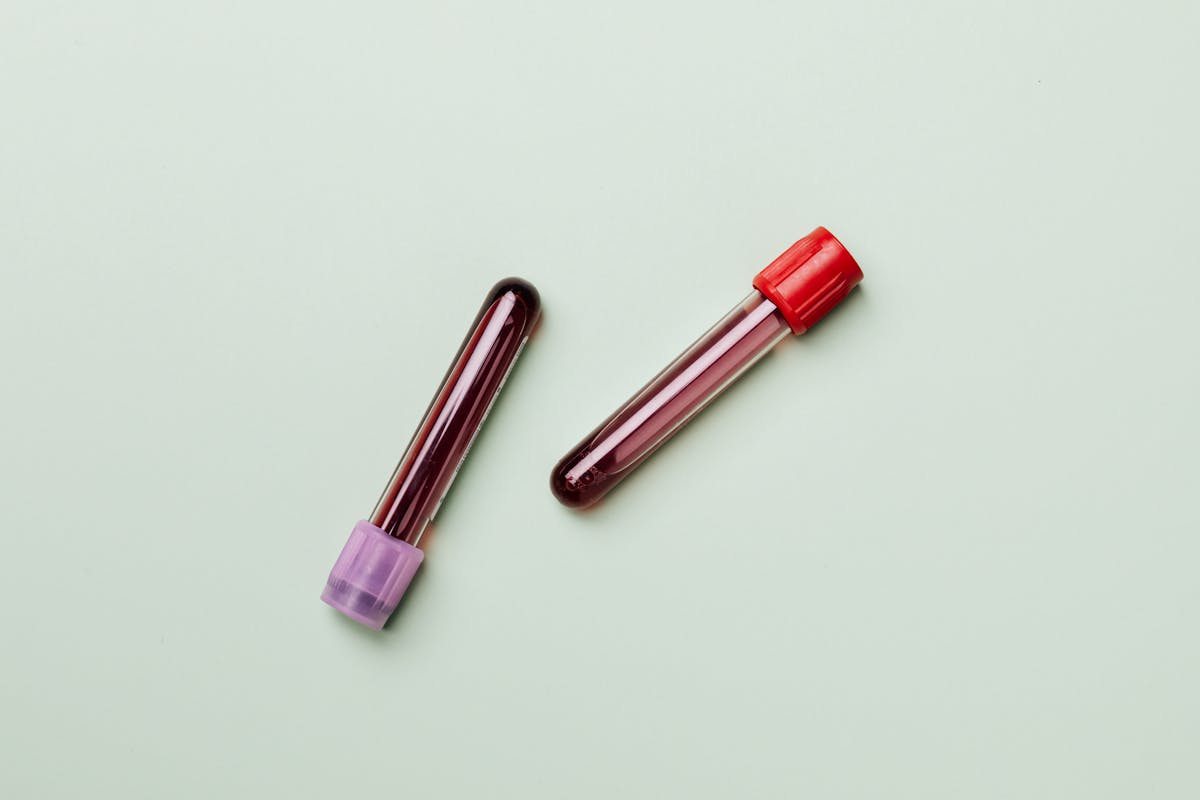
- 🧪Four labs explain most cases. Vitamin D, ferritin, thyroid panel, and a full hormone screen catch the majority of underlying causes.
- 🌼Pollen drains energy through inflammation, not just sneezing. Even mild allergic load triggers fatigue at the cellular level.
- 🕒Daylight saving disruption lasts longer than you think. Your circadian rhythm can take three to four weeks to fully reset.
- 💧Hydration in Florida is a year-round issue. Spring heat plus pollen plus more time outside means you are losing more water than you realize.
- 🩺If you have been tired for more than three weeks, get it checked. Persistent fatigue is rarely “just busy life.”
If you have felt persistently tired since the clocks changed, you are not imagining it and you are not alone. Spring fatigue is one of the most common reasons patients walk into our Orlando office between March and May. Most of them tell us the same thing: “I sleep okay, I eat reasonably well, but I am running on fumes.”
There is almost always a real, measurable reason. The trick is knowing which labs and conversations to have with your doctor before assuming it is just the season catching up with you.
Here are the four causes we check first at APMUC, in the order we evaluate them.
1. Hormone Imbalance, the Most Underdiagnosed Cause
Hormones drive your energy more than almost any other system. When testosterone, estrogen, progesterone, or thyroid hormones drift out of range, fatigue is usually the first symptom. Sleep, mood, and weight follow.
Both men and women are affected, often earlier than they expect. We see low testosterone in men starting in their late 30s, and we see hormonal fatigue in women across perimenopause, postpartum, and high-stress life seasons.
If your fatigue comes with brain fog, low motivation, weight gain, or low libido, ask your doctor for a full hormone panel. Not just thyroid. Read more in our piece on low testosterone in women.
2. Vitamin D, Iron, and B12 Deficiencies
Florida sun is plentiful, but vitamin D deficiency is still surprisingly common. Indoor work, sunscreen, and darker skin all reduce how much vitamin D your body actually makes. Low vitamin D causes muscle weakness, low mood, and a heavy, dragging fatigue that does not respond to coffee.
Iron deficiency, measured properly with ferritin (not just a CBC), is the most common nutritional cause of fatigue we see in women. B12 deficiency is the most common cause we see in older patients and in anyone on long-term acid-blocking medication.
☀️ Vitamin D
Drives muscle energy, mood, and immune function.
- Test: 25-hydroxy vitamin D
- Target: 40 to 80 ng/mL
- Common in: indoor workers, anyone on sunscreen daily
🩸 Ferritin (iron stores)
Reflects iron available for energy production. Often missed by basic blood work.
- Test: ferritin level
- Target: over 50 ng/mL for energy
- Common in: menstruating women, vegetarians, frequent blood donors
🧬 Vitamin B12
Critical for nerve function and red blood cell production.
- Test: B12 with methylmalonic acid if borderline
- Target: over 500 pg/mL for energy
- Common in: patients over 50, anyone on long-term acid blockers
3. Sleep Disruption and Allergic Inflammation
Spring in Central Florida means pollen, longer daylight hours, and a body still adjusting to the time change. Even patients without classic allergy symptoms are running an inflammatory response that drains their energy.
Pollen exposure raises histamine and inflammatory cytokines. Those same molecules disrupt deep sleep at night, which means you wake up technically rested but functionally exhausted. Sleep fragmentation from snoring, undiagnosed sleep apnea, or simply being too warm at night can erase six to eight hours of sleep value.
Practical first steps:
- Track your sleep for two weeks. A wearable or simple log will show you how often you actually reach deep sleep.
- Treat allergies preventively. A daily non-sedating antihistamine through pollen season usually helps within a week.
- Set the room to 67 to 70 degrees at night. Cooler bedroom, deeper sleep.
- Ask about a sleep study if your partner reports loud snoring or pauses in your breathing.
4. Hidden Dehydration
In Florida, hydration is not a summer-only concern. Spring temperatures rise quickly, you spend more time outdoors, and you often do not feel thirsty until you are already several percent dehydrated. Even a 2 percent drop in body water reduces cognitive performance, mood, and physical energy measurably.
Most adults need around half their body weight in ounces of water per day, more if they exercise or spend extended time outside. Coffee and alcohol both increase fluid loss.
For patients who need a faster reset, our IV Lounge offers physician-supervised hydration with electrolytes and vitamins. A single session restores fluid status in about 45 minutes.
What to Ask Your Doctor
If you have been tired for more than three weeks, do not accept “your labs look fine” as the final answer. Bring this list to your next visit:
🧪 Full thyroid panel
TSH, free T3, free T4, and thyroid antibodies if symptomatic.
🩸 Vitamin D, ferritin, B12, folate
Not just hemoglobin. Iron stores and B12 can be low even when basic counts look normal.
🧬 Metabolic panel (CMP)
For kidney, liver, and electrolyte status.
⚖️ Full hormone panel
Testosterone (total and free), estradiol, progesterone, DHEA-S, cortisol.
🩺 Hemoglobin A1c
To rule out blood sugar instability as a fatigue driver.
💤 Sleep study screening
Ask about a home sleep study if there is any concern for apnea.
Frequently Asked Questions
QHow long should fatigue last before I see a doctor?+
If you have felt unusually tired for more than three weeks despite getting reasonable sleep, it is time to be evaluated. Persistent fatigue is rarely just stress or busy life.
QCan spring allergies really make me tired even if I am not sneezing?+
Yes. Allergic inflammation drives fatigue at the cellular level through histamine and cytokine release, even in patients who do not have classic nasal symptoms.
QWhat is the single most useful blood test for fatigue?+
For most adults, ferritin is the single highest-yield test, especially in women. After that, vitamin D, a full thyroid panel, and a hormone panel cover the majority of cases.
QWill an IV drip fix my fatigue?+
An IV drip is not a substitute for diagnosis. It can quickly correct dehydration and replenish vitamins, which often gives short-term relief. But if you have an underlying hormone or nutrient deficiency, you also need a workup.
QHow much water should I drink in Florida in the spring?+
A reasonable target is half your body weight in ounces of water per day, more if you exercise outdoors or drink coffee and alcohol regularly.
QCould low testosterone explain my fatigue if I am a woman?+
Yes. Low testosterone in women is real, often missed, and treatable. Symptoms include fatigue, brain fog, low libido, and reduced muscle tone. A hormone panel can identify it.
Tired of Being Tired? Let Us Look at the Whole Picture.
Dr. Shemiranei offers full hormone panels, nutrient screening, and personalized energy workups at 1400 E Robinson Street, Orlando, Florida.
Call 407-845-8623
New patients welcome. Most major insurance accepted.
Related Reading
- The Sleep, Hormone, and Mood Connection: How One Affects the Other Two
- Low Testosterone in Women: Symptoms, Testing, and Treatment in Orlando
- How to Choose the Right IV Drip in Orlando
Explore our IV Lounge: View IV Lounge pricing, VIP membership, and services