
Key Takeaways
-
🔍
~39% of perimenopausal women report misdiagnosis: Symptoms like fatigue, low mood, and reduced libido are often labeled as depression or anxiety without hormonal investigation. -
🧪
Testosterone plays a real role in women’s health: It affects sexual desire, energy, bone metabolism, and brain chemistry. It declines during perimenopause alongside estrogen and progesterone. -
📋
HSDD is the strongest evidence-based indication: Hypoactive Sexual Desire Disorder in postmenopausal women is the one clinical use with robust supporting evidence from the ISSWSH and Global Consensus Statement. -
⚖️
All testosterone therapy for women is off-label: There are no FDA-approved testosterone products for women in the U.S. This requires informed consent, careful dosing, and regular monitoring. -
🏥
Proper evaluation is more than a blood test: It includes thyroid function, sleep assessment, medication review, mood screening, and medical history – not just hormone levels.
You Are Not Crazy. Your Symptoms Deserve Investigation.
How many times have you been told your fatigue is just “part of being a busy mom”? That your brain fog will pass? That your lack of interest in sex is normal after 40?
Many women in perimenopause and menopause experience overlapping symptoms that feel difficult to explain: changes in mood, energy, sleep, and interest in intimacy. These symptoms can resemble depression, anxiety, or thyroid disease. Yet for a significant proportion of women, hormone change is playing a meaningful role that deserves clinical attention.
Here is what many doctors don’t explore thoroughly enough: testing hormones should be part of a broader evaluation, alongside assessment of thyroid function, sleep quality, medications, mood history, and life stressors. When this thorough approach is missing, real causes go unaddressed.
This guide explains what we know – and what we still don’t – about testosterone’s role in women’s health, how to get properly evaluated, and what options exist if hormone optimization is appropriate for you.
The Diagnostic Gap: Why Symptoms Often Get Misnamed
The evidence on misdiagnosis during perimenopause is substantial. A 2025 survey of over 1,000 American women found that 39% of perimenopausal women reported misdiagnosis, with clinicians treating anxiety and depression without investigating the hormonal context.
However, this does not mean depression is imaginary or that every woman with low mood has a hormone problem. Perimenopause and depression symptoms overlap significantly. Seven of the eight diagnostic criteria for depression on standardized screening tools – sleep disruption, appetite changes, fatigue, difficulty concentrating, and mood disturbance – can be caused by hormonal change, thyroid dysfunction, sleep apnea, or medication side effects.
This diagnostic overlap requires careful clinical evaluation, not assumptions. Women are 1.5 to 2 times more likely to experience depressive symptoms during perimenopause compared to earlier life stages.
The answer is thorough evaluation: not hormone testing alone, but hormone testing as part of an assessment that includes thyroid function, sleep evaluation, medication review, and psychological screening.
The Triangle of Hormones: Testosterone’s Actual Role in Women
Hormone balance involves three primary hormones that work together and decline during perimenopause and menopause: estrogen, progesterone, and testosterone. Understanding testosterone’s physiology helps clarify why it matters.
Testosterone in Women: Basic Physiology
Before menopause, women produce testosterone continuously, though at lower absolute levels than men. Testosterone is produced by the ovaries and adrenal glands. It plays measurable roles in bone metabolism, sexual function, and brain chemistry. During perimenopause, ovarian testosterone production declines alongside estrogen and progesterone.
Where the Evidence Is Strongest: Sexual Desire
The clearest, most well-supported clinical indication for testosterone therapy in women is the treatment of Hypoactive Sexual Desire Disorder (HSDD) in postmenopausal women. HSDD is not low libido caused by relationship problems, stress, or medications – it is a clinical condition characterized by persistent, distressing absence of sexual thoughts, fantasies, or desire.
Evidence from the International Society for the Study of Women’s Sexual Health (ISSWSH, 2021) and the Global Consensus Position Statement (endorsed by the Endocrine Society, Menopause Society, and other major organizations) concludes: testosterone therapy can improve sexual desire and satisfaction in carefully selected postmenopausal women with HSDD. This is the one indication with robust supporting evidence.
Where the Evidence Is Limited: Bone Density, Mood, and Cognition
While some observational studies suggest associations between testosterone levels and bone density, and isolated studies have examined cognition, the VA Clinical Summary (2025) and ISSWSH guidelines explicitly state: testosterone therapy is not recommended off-label for improvement in bone mineral density, mood, or cognitive function in women, due to lack of evidence of benefit.
This is an important distinction. Observational studies showing associations between testosterone levels and health outcomes do not prove that giving testosterone to women with low levels will produce those benefits. The randomized controlled trial evidence for these uses is absent.
Symptoms That Warrant Evaluation: But Not Diagnosis by Checklist
If you experience any of the following, a thorough health evaluation is warranted. This evaluation should include hormone testing, but also thyroid testing, sleep assessment, mood screening, and medication review:
Cognitive Changes
Difficulty concentrating, trouble retrieving words, sense of mental “fogginess.” Can reflect perimenopause, thyroid disease, sleep apnea, depression, medication side effects, or cognitive aging.
Fatigue and Low Energy
Persistent exhaustion despite adequate sleep. Commonly reflects thyroid dysfunction, sleep disorders, depression, anemia, or medication effects, alongside or instead of hormonal change.
Changes in Sexual Desire
Reduced interest in sexual activity, difficulty with arousal, or pain with intercourse. If loss of desire is persistent, distressing, and not explained by other factors, HSDD evaluation is appropriate.
Mood Changes
Irritability, anxiety, tearfulness, or emotional instability. These warrant assessment for depression, anxiety disorder, thyroid disease, sleep disruption, medication effects, and hormonal change.
Sleep Disruption
Night sweats, hot flashes, difficulty falling asleep, early waking, or non-restorative sleep. Perimenopause is one cause; sleep apnea, depression, thyroid disease, and medications are others.
Muscle Loss and Weight Changes
Noticeable decline in strength or weight gain despite stable diet, particularly around the midsection. Can reflect hormone decline, thyroid disease, vitamin deficiency, or reduced activity.
The Regulatory Reality: Understanding Off-Label Use
Before discussing treatment options, transparency is essential: there are no FDA-approved testosterone products for women in the United States. The FDA declined to approve testosterone for women in 2004 due to insufficient long-term safety data.
This means any testosterone therapy prescribed to women is off-label use. Off-label prescribing is legal and common in medicine, but it carries important implications: the prescribing clinician has additional responsibility for careful patient selection, informed consent, appropriate dosing, and regular monitoring.
At APMUC, if hormone therapy is recommended, you will receive a detailed conversation about:
- What the evidence does and does not support
- The specific indication (e.g., HSDD) for which you are being treated
- Potential risks and benefits based on your individual health profile
- How therapy will be monitored
- Your right to decline or discontinue at any time
Appropriate Evaluation Before Hormone Therapy
If evaluation suggests HSDD or another indication for which hormone testing is relevant, here is what proper assessment includes:
Baseline Blood Work
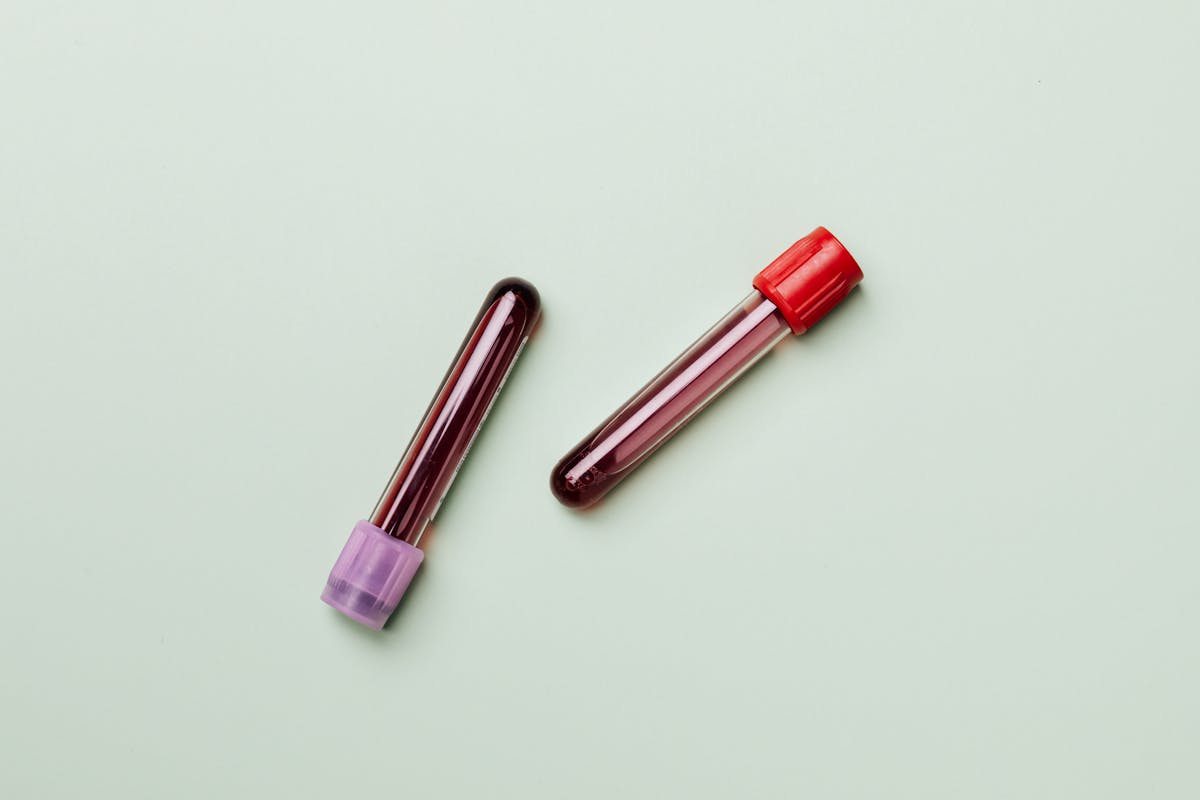
Total testosterone, sex hormone-binding globulin (SHBG), thyroid function (TSH, free T4), liver function tests, lipid panel, and complete blood count. This establishes a baseline and identifies other contributing conditions.
Symptom Assessment
A detailed conversation about when symptoms started, how they have changed, their impact on daily life and relationships, and what has been tried previously.
Medication Review
Many common medications affect sexual desire, mood, and energy, including antidepressants, blood pressure medications, antihistamines, and others. This must be evaluated before attributing symptoms to hormones.
Medical History
Assessment of cardiovascular health, cancer history, liver function, blood clotting history, and other factors that influence whether hormone therapy is appropriate.
Psychological Screening
Assessment for depression, anxiety, and relationship factors that may be contributing. A single blood test does not diagnose HSDD. Testosterone levels are measured as part of a full evaluation, not as a standalone diagnostic tool.
Important Note on Testosterone Levels: Unlike some hormones, a single testosterone blood test does not diagnose HSDD or predict whether you will benefit from testosterone therapy. Testosterone levels are measured as part of a full evaluation, not as a standalone diagnostic tool.
Who Should Not Use Testosterone Therapy
🚫 Contraindications: When Testosterone Therapy Is Not Appropriate
Based on current medical guidelines, testosterone therapy is not appropriate if you have any of the following:
- Pregnancy or plans to become pregnant (testosterone can affect fetal development)
- Breastfeeding
- History of breast cancer (particularly hormone-receptor-positive breast cancer)
- History of endometrial cancer
- Active liver disease
- Uncontrolled cardiovascular disease (heart attack, stroke, or clotting disorder history)
- Significantly elevated red blood cell count
- Uncontrolled diabetes
If you have any of these conditions, hormone optimization may still be possible through other approaches. A discussion with your physician is essential.
Addressing Common Fears: Virilization and Masculinization
One legitimate concern women voice is fear of masculinization: deepening voice, facial hair growth, clitoral enlargement, or other androgen effects.
The key distinction is between physiologic and supraphysiologic dosing. These effects occur with supraphysiologic doses – doses far above what the female body naturally produces. Bodybuilders using testosterone at many times the normal female range will experience these changes. This is not the goal of clinical hormone optimization.
Physiologic testosterone therapy aims to restore hormone levels to the normal premenopausal female range, approximately 15-70 ng/dL. At physiologic doses, as documented in clinical studies, virilization effects are not expected.
| Factor | Physiologic Dosing | Supraphysiologic Dosing |
|---|---|---|
| Goal | Restore normal premenopausal levels | Exceed normal female range (bodybuilding, etc.) |
| Target Range | 15 – 70 ng/dL | Multiple times normal female range |
| Virilization Risk | Not expected | Significant risk |
| Voice Deepening | Not expected | Likely |
| Facial Hair Growth | Not expected | Common |
| Clinical Evidence | Supported by ISSWSH/Global Consensus for HSDD | Not recommended by any medical society |
| Monitoring | Regular blood work to keep levels in range | Typically unmonitored |
If testosterone is recommended, your clinician will use precise dosing and regular monitoring to ensure levels remain in the physiologic range. This is non-negotiable.
Bioidentical Hormone Optimization: How It Works
If evaluation concludes that hormone therapy is appropriate, here is what the process typically involves:
Customized Assessment
Your baseline hormone levels, symptoms, weight, health history, and preferences inform a personalized treatment plan. No two patients receive identical protocols.
Delivery Methods
Bioidentical hormones can be delivered via transdermal patch, gel, cream, or subcutaneous pellet. Each has advantages and limitations. Patches and gels allow for dose adjustment. Pellets, once inserted, cannot be removed.
Consistent Dosing
Unlike oral hormones (which create peaks and valleys as they pass through the liver), transdermal and pellet methods provide steady hormone levels, reducing the fluctuation many women experience.
Timeline for Improvement
Most women notice initial improvements in sexual interest or energy within 4-8 weeks. Full benefits typically take 8-12 weeks. Patience and consistent follow-up are both important.
Ongoing Monitoring
Regular follow-up blood work and symptom assessment ensure hormone levels remain in the physiologic range and benefits continue. Adjustments are made based on your response and preference.
The Evidence on Safety
Hormone therapy for postmenopausal women, including testosterone, has both benefits and risks that require careful consideration. Here is what current evidence indicates:
Short-Term Efficacy and Safety: Transdermal testosterone at physiologic doses has been shown safe and effective in randomized controlled trials for HSDD, with primary side effects being mild skin irritation and occasional mood changes.
Long-Term Safety: Long-term safety data in women is limited compared to men, largely because testosterone use in women is relatively recent. This is one reason the FDA has not approved testosterone for women. Ongoing monitoring during therapy is essential.
Pellet-Specific Considerations: If testosterone is delivered via subcutaneous pellet, important points include:
- Pellets cannot be removed if problems develop (unlike patches or gels)
- Peak hormone levels may be higher with pellets than with transdermal therapy
- Complication rates (extrusion, infection) are low when inserted by trained providers
- Regular blood work is essential to verify hormone levels remain physiologic
Cardiovascular and Breast Cancer Risk: Some observational studies have suggested associations between hormone use and cardiovascular or breast cancer risk. However, these associations are inconsistent, and randomized controlled trial evidence is lacking. This remains an area of uncertainty, which is why careful patient selection and informed consent are critical.
When to Seek Immediate Care
🚨 Call 911 or Go to the Nearest ER If You Experience:
- Chest pain or pressure
- Sudden severe headache or weakness
- Vision changes
- Difficulty speaking or facial drooping
- Vaginal bleeding if you are on hormone therapy (unless expected menstrual bleeding or previously discussed with your physician)
⚠️ Contact Your Physician Urgently If:
- You develop significant swelling in one leg (possible blood clot)
- Severe mood changes or suicidal thoughts
- Severe abdominal pain
- Jaundice (yellowing of skin or eyes)
The Larger Truth: You Deserve Thorough Care
This guide exists because one central truth persists in women’s healthcare: symptoms get pathologized instead of systematically investigated.
Low mood gets labeled depression without checking thyroid function. Fatigue gets attributed to stress without evaluating sleep. Sexual dysfunction gets dismissed as “normal aging” without exploring hormonal, vascular, or relationship factors.
At the same time, not every woman’s fatigue is hormonal, and not every mood change is rooted in hormone deficiency.
The answer is not hormones alone. It is thorough, systematic evaluation that considers thyroid function, sleep quality, medication effects, mood history, cardiovascular health, and hormone status.
You know your body. If something has changed, if you don’t feel like yourself, if previous evaluations have been incomplete, you deserve a second opinion. You deserve thorough testing. You deserve clarity about what may be contributing and what treatment options are appropriate for your situation.
That is what APMUC exists to provide.
Frequently Asked Questions
Q
Do women actually produce testosterone?
⌄
Do women actually produce testosterone?
Yes. Women produce testosterone continuously, primarily through the ovaries and adrenal glands. Female testosterone levels are lower than male levels, but the hormone plays a real role in bone metabolism, sexual function, energy, and brain chemistry. Production declines naturally during perimenopause and menopause.
Q
What is HSDD, and how is it different from just having low libido?
⌄
What is HSDD, and how is it different from just having low libido?
Hypoactive Sexual Desire Disorder (HSDD) is a clinical condition – not simply “low libido.” It is characterized by persistent, distressing absence of sexual thoughts, fantasies, or desire that is not better explained by relationship problems, stress, medications, or other medical conditions. HSDD causes personal distress and impacts quality of life. It requires clinical evaluation to diagnose.
Q
Is testosterone therapy FDA-approved for women?
⌄
Is testosterone therapy FDA-approved for women?
No. There are no FDA-approved testosterone products for women in the United States. The FDA declined approval in 2004 due to insufficient long-term safety data. Any testosterone prescribed to women is off-label use, which is legal and common in medicine but requires informed consent, careful dosing, and regular monitoring from the prescribing clinician.
Q
Will testosterone therapy make me look or sound masculine?
⌄
Will testosterone therapy make me look or sound masculine?
At physiologic doses (targeting the normal premenopausal female range of approximately 15-70 ng/dL), virilization effects like voice deepening, facial hair growth, or clitoral enlargement are not expected. These effects are associated with supraphysiologic doses – the kind used by bodybuilders, which are many times higher than what clinical hormone optimization uses. Regular blood work ensures levels stay in the safe, physiologic range.
Q
Can a blood test alone diagnose low testosterone in women?
⌄
Can a blood test alone diagnose low testosterone in women?
No. Unlike some hormones, a single testosterone blood test does not diagnose HSDD or predict whether you will benefit from testosterone therapy. Proper evaluation includes hormone levels alongside thyroid function, sleep assessment, medication review, mood screening, and a detailed medical history. Testosterone levels are one piece of a larger clinical picture.
Q
How long does it take to see results from testosterone therapy?
⌄
How long does it take to see results from testosterone therapy?
Most women notice initial improvements in sexual interest or energy within 4-8 weeks. Full benefits typically take 8-12 weeks. Response varies by individual, delivery method, and dosing. Regular follow-up appointments allow your clinician to adjust treatment based on your response.
Q
What are the delivery methods for testosterone in women?
⌄
What are the delivery methods for testosterone in women?
Bioidentical testosterone can be delivered via transdermal patch, gel, cream, or subcutaneous pellet. Patches and gels allow for dose adjustment or discontinuation. Pellets provide steady levels but cannot be removed once inserted. Your clinician will discuss which method aligns with your preferences and clinical needs. Oral testosterone is generally not preferred because it creates peaks and valleys as it passes through the liver.
Q
Is testosterone therapy safe long-term for women?
⌄
Is testosterone therapy safe long-term for women?
Short-term safety data is encouraging: transdermal testosterone at physiologic doses has been shown safe and effective in randomized controlled trials for HSDD. However, long-term safety data in women is limited compared to men because testosterone use in women is relatively recent. This is one reason the FDA has not approved it. Ongoing monitoring, including regular blood work and symptom tracking, is essential for anyone on testosterone therapy.
Q
Can testosterone help with brain fog, mood, or bone density?
⌄
Can testosterone help with brain fog, mood, or bone density?
Current guidelines from the ISSWSH and VA Clinical Summary (2025) state that testosterone therapy is not recommended for improvement in bone mineral density, mood, or cognitive function in women due to lack of evidence of benefit. Some observational studies show associations, but randomized controlled trial evidence for these uses is absent. The only well-supported indication is HSDD in postmenopausal women.
Q
What makes APMUC’s approach different from other clinics?
⌄
What makes APMUC’s approach different from other clinics?
APMUC is physician-led and focuses on thorough evaluation before any treatment recommendation. Dr. Saied Shemiranei and the clinical team will listen to your story, order appropriate testing, and work with you to identify root causes. Hormones are never prescribed in isolation. Every evaluation includes thyroid function, sleep assessment, medication review, mood screening, and a full medical history. You receive full informed consent, transparent discussion of what the evidence does and does not support, and the right to decline or discontinue at any time.
Ready for Answers, Not Assumptions?
If you are experiencing symptoms that concern you – fatigue, mood changes, sleep disruption, sexual dysfunction, or cognitive changes – contact APMUC to schedule a thorough evaluation.
Dr. Saied Shemiranei and the clinical team will listen to your story, order appropriate testing, and work with you to identify root causes.
1400 E Robinson Street, Orlando
Dr. Saied Shemiranei
Advance Preventive Medicine Urgent Care