

Senior Primary Care in Orlando:
Avoid Repeat ER Visits
Your parent calls you at work.
They’re in the emergency room.
Again.
This time it’s chest pain that turned out to be heartburn. Last month it was a fall. The month before, a medication interaction nobody caught. Each visit starts the same way: a different doctor, a rushed 15-minute appointment, and your parent leaves with more questions than answers.
There’s a better way.

📋 TL;DR: Key Takeaways
- 🏥 Primary care reduces repeat ER visits: A consistent doctor can catch changes early before they become emergencies.
- 🧠 Continuity reveals patterns: The same physician notices subtle shifts in blood pressure, blood sugar, mood, weight, and fall risk.
- ⏱️ Unhurried visits matter for seniors: Older adults need time for context, questions, and careful listening.
- 💊 Medication safety improves with one quarterback: A single doctor reviewing everything helps prevent interactions, duplicates, and missed side effects.
- 🧪 Preventive monitoring prevents crises: Regular labs and vitals catch issues at the stage when they are easiest to treat.
- 🤝 Your parent deserves relationship-based care: Being known as a person leads to better decisions than being treated like a chart number.
Why the 15-Minute Appointment Falls Short for Seniors
When your parent sees a different doctor each visit, that physician starts from scratch. They have the chart on screen. But they don’t know your parent.
They don’t know that the chest pain started two weeks ago, right after your parent’s stress increased at home. They don’t know about the medication adjustment last month that nobody monitored. They don’t know your parent’s baseline weight, energy level, or mood. They don’t know the pattern.
A rushed appointment doesn’t leave room for context. The doctor runs through a checklist. Your parent answers questions quickly. Ten minutes pass. A diagnosis is made. Your parent leaves. Two weeks later, the problem isn’t solved, or a new one appears.

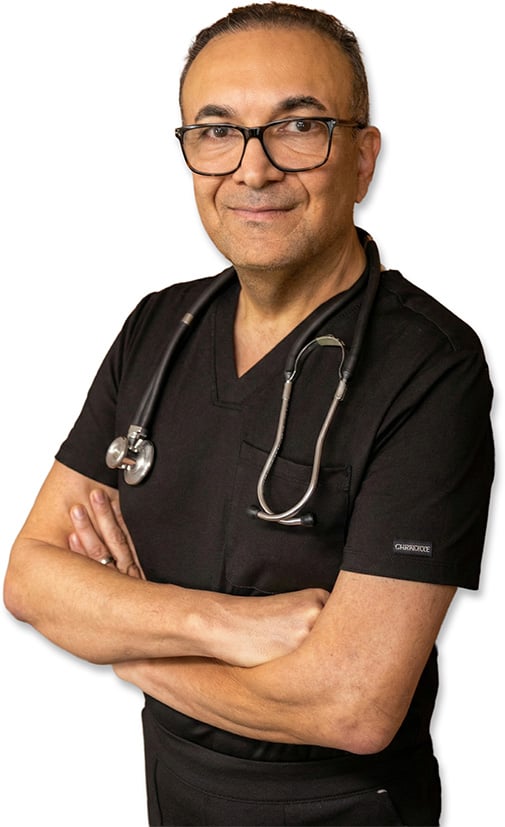
At Advance Preventive Medicine & Urgent Care (APMUC) in downtown Orlando, Dr. Saied Shemiranei operates on a different model. He sits with patients. He listens. He explains what’s happening in plain language, not medical jargon. Because he sees the same patients repeatedly, he recognizes the patterns that fragmented care cannot.
How One Doctor Makes the Difference
Dr. Shemiranei is a family physician and internal medicine specialist with 24+ years of experience and extensive emergency medicine training. He has worked as an ER physician. He has seen what sends seniors to the emergency department at midnight: unmonitored chronic conditions, medication changes that went unchecked, small warning signs that were missed.
That background shapes everything he does at APMUC. He knows that the most important medical work happens before the emergency room becomes necessary.
The Pattern Recognition Advantage
Research suggests that seniors with an established primary care relationship experience better health outcomes than those who bounce between different providers. The reason is simple: patterns matter.
When a physician sees your parent every three to six months, they notice things:
A gradual increase in blood sugar that isn’t diabetes yet, but is worth addressing now
A slow rise in blood pressure that signals time to adjust medications
Changes in weight, energy, mood, or appetite that often precede bigger health events
New medications from specialists that might interact with existing drugs
Social or lifestyle changes that affect health (a spouse’s death, a move, isolation)
These small signals often precede major health events. The moment to intervene is in the primary care office, not the emergency department.
What Happens When Seniors See Different Doctors Each Visit
Fragmented care has real costs. When your parent’s medical history is split across multiple providers, several things break down:
New doctors don’t know the baseline. Without context, every symptom looks like a new problem. A change in appetite becomes “get labs,” instead of a conversation about what’s actually happening in your parent’s life.
Medication management becomes complicated. One specialist prescribes a blood pressure drug. Another prescribes pain medication. A third adjusts a diabetes medication. Nobody is reviewing all three together. Drug interactions are missed. Duplicate therapies happen.
Tests get repeated. Labs ordered three months ago are ordered again because they’re not easily visible. Imaging from last year is done again instead of compared. Your parent, and your insurance, pays twice.

The “whole picture” fragments. In a large system, the cardiologist doesn’t talk to the rheumatologist. The rheumatologist doesn’t know about the fall risk assessment. Nobody coordinates. Your parent becomes a chart in a computer system, not a person with a life and a family.
Primary Care vs Urgent Care Only (for seniors)
This is an illustrative comparison to show why continuity matters. It is not a clinical statistic, but a practical way to visualize coverage and follow-through.
The Five Core Services APMUC Provides for Seniors
Dr. Shemiranei’s approach to senior care focuses on prevention and continuity:
Comprehensive medication review. Every visit includes a check of all medications, supplements, and over-the-counter drugs. We look for interactions, redundancies, and side effects that might mimic new symptoms.
Fall risk assessment and prevention. Falls are the leading reason seniors end up in the ER. We assess balance, strength, home safety, and vitamin D status. Prevention starts early.
Chronic disease monitoring. Regular vital signs, lab work, and symptom tracking catch problems with heart disease, diabetes, hypertension, and other ongoing conditions at the stage when they’re most treatable.
Post-hospitalization follow-up. If your parent has a hospital stay, we see them within 1-2 weeks. We review what happened, adjust medications, coordinate with specialists, and create a plan to prevent readmission.
Family and caregiver coordination. You’re involved in care planning. We explain what’s happening in plain language. Everyone understands the next steps.
Your parent deserves to be known, not just processed.
Continuity of care gives seniors something urgent care cannot: pattern recognition, safe medication management, and prevention before the next ER visit.Why Large Hospital Systems Excel at Acute Care, But Miss Continuity
Corporate hospital systems manage emergencies, trauma, and complex surgery exceptionally well. That’s their purpose, and they fulfill it effectively. Nobody argues with that.
But their model is different from what seniors need most: ongoing relationship-based care.
Large systems are structured for episodic care. Your parent comes in with a problem. It’s diagnosed and treated. The problem is addressed. Then the connection ends. When your parent returns months later with a different concern, they often see a different provider. The history resets.
APMUC is different. Dr. Shemiranei holds the whole picture. He works across preventive medicine, emergency medicine, cardiology, pain management, and other areas. He coordinates with specialists. He adjusts treatment based on new information. He calls to follow up.
This isn’t about one clinic being “better” than another. It’s about having the right care model for what your parent actually needs: consistency, attention, and someone who knows them.
What Seniors in Dr. Phillips and Windermere Should Know
Dr. Phillips and Windermere are Orlando neighborhoods with established, aging-in-place communities. Many families in these areas are actively looking for a doctor who will slow down, listen, and provide continuity.
APMUC serves patients throughout Central Florida. We accept most major insurance plans. We offer same-day and next-day appointments for new patients.
Many seniors and their adult children choose APMUC because:
- Appointments are unhurried, not 15 minutes
- The same physician sees you at each visit
- Same-day and next-day availability for urgent concerns
- Dr. Shemiranei follows up by phone if needed
- Explanations are clear and in plain language
- The clinic offers multilingual care (English, Spanish, Portuguese, French, Farsi)
Your parent’s health improves through relationship and continuity, not through facility size.
When to Go to the ER vs Calling APMUC
Some situations require emergency care. Others can often be handled faster and safer with a call to your primary care doctor.
Go to the ER immediately
- ⛑️ Chest pain or pressure (especially with shortness of breath)
- 🧠 Stroke symptoms (facial drooping, arm weakness, slurred speech, sudden confusion)
- 🌬️ Severe shortness of breath at rest
- ⚠️ Loss of consciousness
- 🦴 Major fall with head injury, inability to move, or severe pain
- 🧩 Sudden severe confusion or behavioral changes (different from baseline)
- 🌡️ Fever above 103°F with severe chills or difficulty breathing
Call APMUC first
- 📞 Moderate pain that’s stable
- 🫁 Mild shortness of breath
- ❤️ Mild chest discomfort
- 🚶 Minor falls with no head injury
- 💊 Suspected medication interaction
- 📈 Worsening chronic symptoms (blood pressure, blood sugar, swelling, fatigue)
Good to know: For urgent but non-emergency concerns, we can often see your parent same-day or provide guidance on next steps.
Three Questions to Ask About Your Parent’s Current Care
If your parent sees a different doctor each visit, or hasn’t had a physical exam in over a year, ask yourself:
- Does my parent have a primary care physician? Not just someone to visit when sick, but someone who schedules regular wellness visits, monitors chronic conditions, and maintains continuity?
- How quickly can the doctor be reached? Days? Same-day? In preventive medicine, timing matters.
- Does the doctor actually listen and explain? Or does the appointment feel rushed and transactional?
If you’re uncertain about any of these, your parent’s health may benefit from a consistent care relationship.

Frequently Asked Questions
Quick, direct answers about continuity of care, senior primary care, Medicare, coordination with specialists, and APMUC’s relationship-based model in Orlando.
Q
What’s the difference between continuity of care and just having an insurance provider?
Continuity is the ongoing relationship with the same physician, not just access to a network.
⌄
Continuity of care means seeing the same physician regularly who knows your parent’s history, baseline, and patterns over time. An insurance provider is simply a network—you can see multiple different doctors with no consistent relationship.
Q
Does my parent need a geriatrician, or is a family medicine doctor okay?
Consistency and preventive focus often matter more than the label.
⌄
A skilled family medicine physician or internist who focuses on seniors and practices preventive medicine can provide excellent geriatric care. In most cases, specialization matters less than consistency, access, and careful attention to the whole picture.
Q
How often should my parent see their primary care doctor?
Annually for many seniors; every 3–6 months if chronic conditions exist.
⌄
For many healthy seniors, an annual wellness visit is appropriate. For seniors with chronic conditions or complex medication regimens, visits are often recommended every 3–6 months. Dr. Shemiranei will recommend a schedule based on your parent’s specific needs.
Q
Will APMUC coordinate with my parent’s other doctors?
Yes—specialist coordination plus medication conflict checks.
⌄
Yes. We coordinate with cardiologists, rheumatologists, and other specialists. We review recommendations and help ensure medications and treatment plans don’t conflict.
Q
What if my parent is on Medicare?
APMUC accepts Medicare and most major plans—confirm your specific plan.
⌄
APMUC accepts Medicare and most major insurance plans. Because plan rules vary, call us to confirm coverage for your parent’s specific plan.
Q
Is APMUC considered “concierge medicine”?
Relationship-based, unhurried care with insurance accepted.
⌄
APMUC practices relationship-based, unhurried primary care with a limited patient load to support continuity and access. We accept insurance. The model emphasizes preventive medicine and physician availability.
Schedule Your Parent’s Comprehensive Senior Assessment
Give your parent relationship-based primary care with unhurried visits, careful medication review, and preventive monitoring designed to reduce avoidable ER trips.
- Medication review: interactions, duplicates, and side effects
- Fall risk prevention: balance, strength, and safety planning
- Chronic monitoring: labs and vitals to catch issues early
- Family coordination: clear explanations and next steps
Important Disclaimer: This content is for educational purposes only and is not medical advice. All treatment decisions must be made in consultation with a licensed physician. Individual results vary. If you have questions about whether APMUC is the right fit for your parent’s specific health needs, please call us to discuss.
For emergencies, call 911 or go to the nearest emergency department.
Reviewed by Dr. Saied Shemiranei, MD
Advance Preventive Medicine & Urgent Care, Orlando, Florida