📋 TL;DR: Key Takeaways
-
🔬
PRP (platelet-rich plasma) is made from your own blood and contains concentrated growth factors that can stimulate hair follicles and increase hair density. -
📊
Multiple peer-reviewed studies support PRP for hair loss, showing increased hair density of 25+ hairs/cm² in controlled trials. Not all measures reach significance, and results vary. -
✅
Best candidates are patients with early to moderate thinning who still have active follicles in the treatment area. -
🏥
At APMUC, Dr. Saied Shemiranei leads every PRP session at our 1400 E Robinson Street, Orlando, Florida location with a structured, physician-guided process. -
💲
Spring Special: $450/session (regular $600) or a 3-session package for $1,100 (~$367/session). View current pricing.
Hair loss affects up to 80% of men and 40% of women over their lifetimes, and the options beyond minoxidil and finasteride have historically been limited. Platelet-rich plasma (PRP) therapy has emerged as a non-surgical treatment with a growing body of clinical evidence behind it. At Advance Preventive Medicine Urgent Care (APMUC) in Orlando, Florida, Dr. Saied Shemiranei offers physician-led PRP therapy for hair loss in Orlando for patients experiencing early to moderate hair thinning.
Let us slow this down for a moment. If you are noticing more scalp showing in photos or thinner ponytails in the mirror, it can feel personal. PRP is one option that aims to work with your own biology instead of fighting it.
This post breaks down what PRP is, how it works, what peer-reviewed research actually shows, who is a good candidate, and what a session looks like at our Robinson Street clinic.
Does PRP work for hair loss? Multiple randomized and cohort studies show that PRP can increase hair density and thickness in many patients with androgenetic alopecia, particularly when started early and given in a series of three or more sessions. Results vary, and not all studies are positive.
What Is PRP?
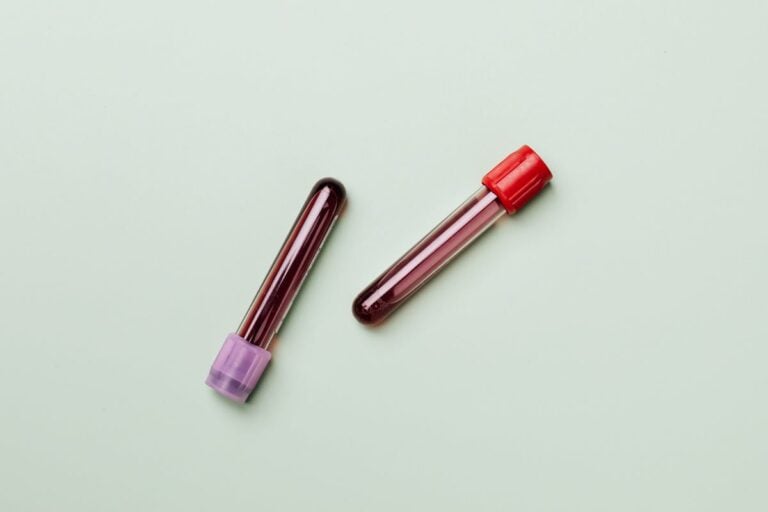
PRP stands for platelet-rich plasma. It is made from a small sample of your own blood. After a standard blood draw, the sample is placed in a centrifuge that separates the blood components. The result is a concentrated plasma rich in platelets, which carry growth factors involved in tissue repair and cell signaling.
Because PRP comes entirely from your own body, the risk of allergic reaction is low. The quality of the preparation, the concentration of platelets, and the injection technique all influence the outcome, which is why physician oversight matters.
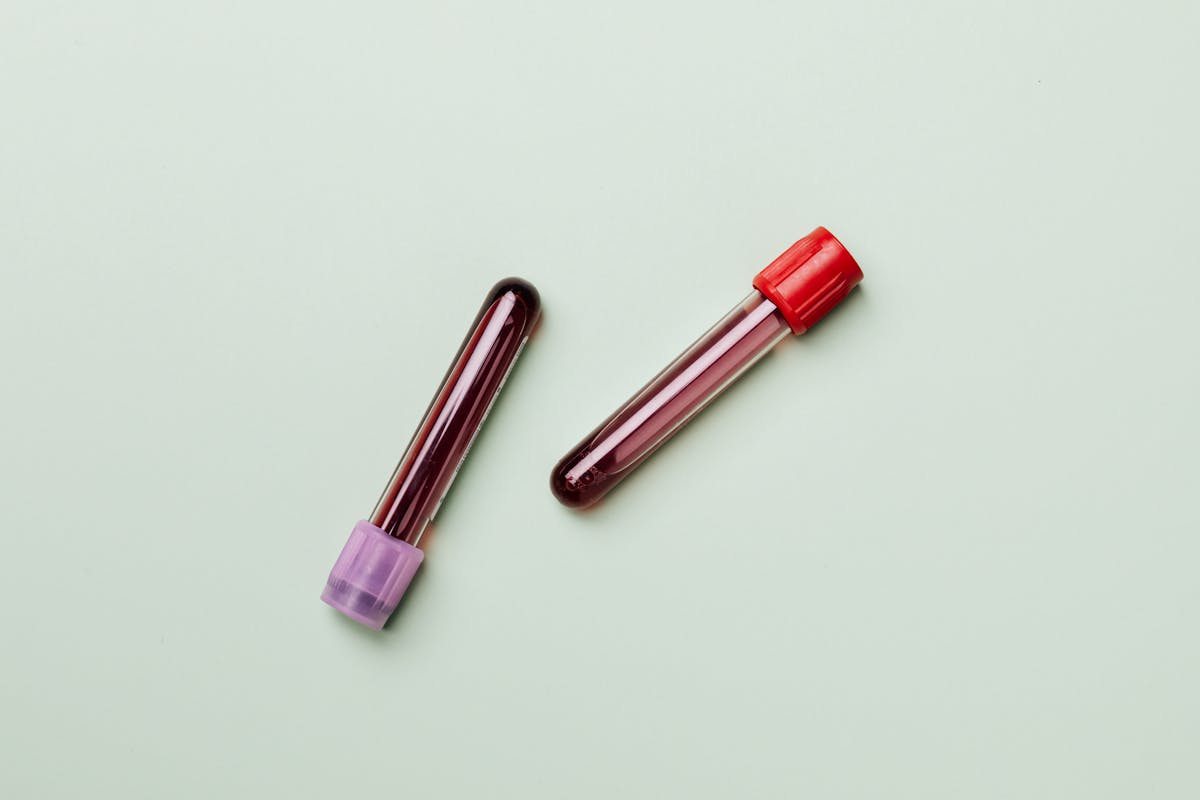
A small blood draw is the first step in PRP preparation. Photo: Pexels
How PRP Works for Hair Loss
Hair loss from androgenetic alopecia (pattern hair loss) happens when the growth phase of the hair cycle shortens and terminal hairs miniaturize into thinner vellus hairs. PRP aims to counteract this process through several biological mechanisms:
- Stimulating follicular stem cells: Growth factors released from platelets, including PDGF, VEGF, and TGF-B, activate cells in the dermal papilla and hair follicle bulge area, promoting the development of new follicles.
- Prolonging the anagen (growth) phase: PRP activates antiapoptotic regulators that help dermal papilla cells survive longer during the hair cycle, keeping hairs in their active growth phase.
- Boosting blood supply: PRP increases small blood vessels around hair follicles, supporting the angiogenesis that active hair growth depends on.
For patients at APMUC, Dr. Shemiranei explains this in plain language so you understand what these growth factors are actually trying to do in your scalp. Your health should not depend on guesswork.
What the Research Says
PRP for hair loss is not a marketing invention. Multiple peer-reviewed studies support its efficacy. Here are the most relevant findings.
Gentile et al. (2015)
Stem Cells Translational Medicine
Randomized, placebo-controlled, half-head study of 20 men. PRP side showed a mean increase of 33.6 hairs and 45.9 hairs per cm² vs. baseline. Placebo side showed a slight decrease. Microscopic evaluation confirmed increased epidermis thickness and greater cell proliferation.
Gkini et al. (2014)
Journal of Cutaneous and Aesthetic Surgery
Prospective cohort study of 22 patients. Hair density significantly increased at 6 weeks and 3 months following three PRP sessions. Improvement was maintained at the 12-month follow-up.
Khatu et al. (2014)
Journal of Cutaneous and Aesthetic Surgery
11 male patients showed significant reduction in hair loss. Hair count increased from 71 to 93 follicular units, a mean gain of roughly 22 follicular units per cm².
2023 Meta-Analysis (Sage Journals)
Journal of Dermatological Treatment
Systematic review of 9 RCTs (238 patients). PRP increased hair density at 3 and 6 months with statistical significance. However, increases in hair count and diameter did not reach statistical significance vs. placebo.
2023 PMC Systematic Review
JAAD International
Meta-analysis of 10 trials confirmed a statistically significant increase in hair density (mean difference of 25.09 hairs/cm²). PRP did not significantly increase hair diameter. May produce stronger effects in male patients.
What the Evidence Tells Us Overall
The majority of controlled studies demonstrate that PRP can meaningfully increase hair density in patients with androgenetic alopecia, especially over the first 3 to 6 months. A 2025 review echoed this, finding the majority of studies support PRP’s role in increasing density and thickness.
Here is the part most people are never told: not all studies are positive. Some protocols did not produce significant benefit across all hair measurements, which suggests that technique, dosing schedule, and patient selection matter a great deal. This is exactly why PRP should be administered by a physician who understands the evidence, not by a med spa running a Groupon.
PRP is not a guaranteed cure. Results vary by patient, and the strongest outcomes appear in patients who still have active follicles and who begin treatment at earlier stages of thinning.
PRP vs. Minoxidil vs. Hair Transplant
Patients often ask how PRP compares to other common hair loss treatments. Here is a side-by-side look:
| Category | PRP Therapy | Minoxidil (Topical) | Hair Transplant Surgery |
|---|---|---|---|
| Source | Your own blood | Pharmaceutical drug | Surgical relocation of follicles |
| Procedure Type | ✅ Non-surgical injection | ✅ Topical application | ❌ Surgical procedure |
| Sessions/Usage | 3-4 initial sessions + maintenance | Daily, ongoing indefinitely | Usually one-time procedure |
| Downtime | ✅ None (same-day return) | ✅ None | ❌ Days to weeks recovery |
| Results Timeline | 2-3 months for visible change | 3-6 months for visible change | 6-12 months for full growth |
| Physician Required | ✅ Yes (injection-based) | ❌ Over-the-counter | ✅ Yes (surgeon) |
| Approximate Cost | $450-$600/session at APMUC | $10-$50/month | $4,000-$15,000+ |
| Best For | Early to moderate thinning | Mild thinning, maintenance | Advanced hair loss |
Who Is a Good Candidate?
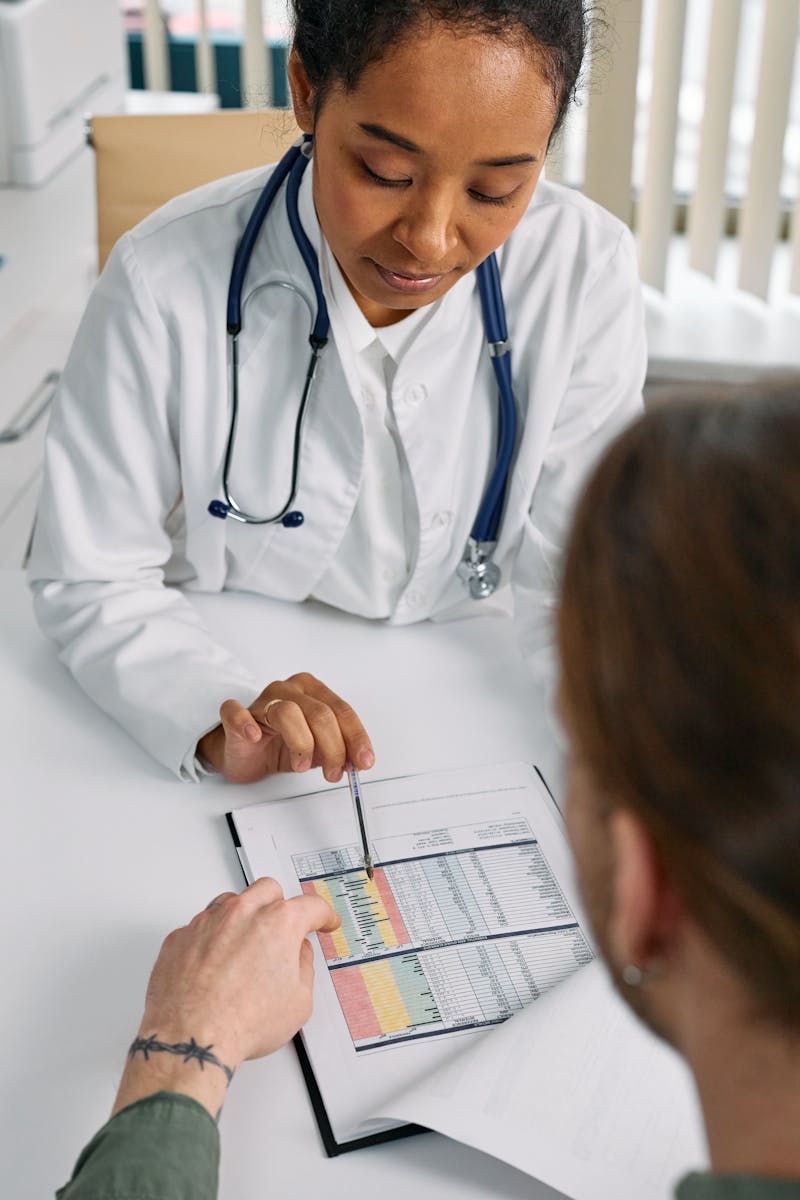
A medical evaluation is always the first step before starting PRP. Photo: Pexels / cottonbro studio
You may be a good candidate for PRP if you:
- Have early or moderate hair thinning (not complete baldness)
- Still have functioning hair follicles in the treatment area
- Want a non-surgical option before considering transplant surgery
- Prefer a treatment made from your own blood
- Are looking for physician-guided care rather than a med spa sales pitch
PRP tends to work best when you can still see some hairs in the thinning area. If the scalp is completely smooth and shiny, transplant or other options may be more realistic.
PRP may not be the right fit if you:
- Have a completely smooth scalp with no remaining follicles
- Expect dramatic overnight results
- Have certain blood disorders, active scalp infections, or uncontrolled diabetes
- Are on blood-thinning or anticoagulant medications
A medical evaluation is always the first step. At APMUC, Dr. Shemiranei reviews your medical history, examines your scalp, and gives you an honest assessment before any treatment begins. Patients in Orlando and Dr. Phillips trust this practice for that kind of straight talk.
What to Expect During a PRP Session at APMUC
Every PRP treatment at APMUC follows a structured, physician-led process at our 1400 E Robinson Street, Orlando, Florida location:
Consultation
Dr. Shemiranei evaluates your hair loss pattern, medical history, and goals.
Blood Draw
A small blood sample is taken, similar to a routine lab draw.
Processing
The blood is placed in a centrifuge to separate and concentrate the platelet-rich plasma.
Injection
PRP is carefully injected into the thinning areas of the scalp using a fine needle.
Recovery
Most patients return to normal activity the same day. Temporary tenderness or redness typically resolves within a few days.
Sessions generally take under an hour. Most patients benefit from a series of three sessions, which is why APMUC offers a 3-session package. Results build gradually over several months, not overnight.
PRP Hair Treatment Pricing at APMUC
As of spring 2026, APMUC offers PRP hair sessions at special pricing. Check the PRP Therapy Services page for the most current offers.
- Single PRP hair treatment session
- Physician-led by Dr. Shemiranei
- Full consultation included
- $450 per treatment (regularly $600)
- Physician-led by Dr. Shemiranei
- Full consultation included
- 3-session package for best results
- Save over $700 vs. regular pricing
- Physician-led by Dr. Shemiranei
Frequently Asked Questions
Q
How many PRP sessions will I need?
⌄
How many PRP sessions will I need?
Most patients see the best outcomes with three to four sessions spaced about a month apart, followed by maintenance treatments every six to twelve months. The exact number depends on the severity of thinning and how your body responds.
Q
Does PRP hurt?
⌄
Does PRP hurt?
Most patients describe the injections as tolerable. The blood draw feels like a standard lab test. Some tenderness at the injection sites is normal and resolves quickly. Dr. Shemiranei takes care to minimize discomfort during the procedure.
Q
When will I see results from PRP?
⌄
When will I see results from PRP?
Visible improvement typically begins two to three months after the initial sessions, with continued progress through the first year. Hair growth is gradual, and the full effect builds over multiple sessions.
Q
How long do PRP results last?
⌄
How long do PRP results last?
Results are not permanent. Most patients maintain improvements for 6 to 12 months or longer after the initial treatment series, but periodic maintenance sessions are typically recommended to sustain gains. Individual results vary based on the severity of hair loss and overall health.
Q
Is PRP FDA-approved for hair loss?
⌄
Is PRP FDA-approved for hair loss?
The FDA has cleared devices used to prepare PRP, but PRP for hair restoration is considered an off-label use. It is supported by a growing body of peer-reviewed clinical evidence. Off-label use of FDA-cleared medical devices is a standard and accepted practice in medicine.
Q
Are there people who should not get PRP?
⌄
Are there people who should not get PRP?
PRP is not appropriate for everyone. People with certain blood disorders, active scalp infections, uncontrolled diabetes, or those on strong blood thinners may not be candidates. A medical evaluation with Dr. Shemiranei is always the first step.
Q
How much does PRP cost at APMUC?
⌄
How much does PRP cost at APMUC?
APMUC currently offers a spring special at $450 per session (regular $600) or a 3-session package for $1,100 (~$367 per session). Pricing may change, so visit the PRP Therapy Services page for the latest offers.
Q
Can PRP be combined with other hair loss treatments?
⌄
Can PRP be combined with other hair loss treatments?
Some patients use PRP alongside topical minoxidil or other treatments. Whether combination therapy is right for you depends on your individual situation. Dr. Shemiranei can discuss your options during your evaluation at APMUC.
Schedule Your PRP Evaluation
If you are experiencing thinning hair and want a medically grounded, non-surgical option guided by a physician who will be straight with you, PRP at APMUC may be worth exploring.
📍 Advance Preventive Medicine Urgent Care
1400 E Robinson Street, Orlando, Florida
Related Reading:
Medical Disclaimer: This blog post is for informational purposes only and does not constitute medical advice. PRP therapy results vary by patient. Always consult a qualified healthcare provider before starting any treatment. The information provided references peer-reviewed research but individual outcomes may differ.
Reviewed by Dr. Saied Shemiranei, medical director and founder of Advance Preventive Medicine Urgent Care (APMUC), 1400 E Robinson Street, Orlando, Florida. Dr. Shemiranei speaks English, Spanish, Farsi, French, and Portuguese.
Explore our PRP services: View PRP pricing, treatment options, and specials