

The holidays in Orlando do not always feel like the calm, cozy scenes on greeting cards. Between I-4 traffic, airport pickups at MCO, school events, and hosting family in the Dr. Phillips area, many people notice the same pattern each year: less sleep, more stress, stronger cravings, and weight that seems to settle around the midsection.
If you feel tired but wired, a little puffier around the waist, and more dependent on that 3 p.m. coffee, it may not be a willpower problem. It may be a sign that your stress system and sleep rhythm deserve a closer look.

📋 TL;DR: Key Takeaways
- ⚡ It may not be willpower: If you feel tired but wired, crave sugar in the afternoon, and gain belly weight each December, stress biology and sleep rhythm may be part of the story.
- 🌙 Sleep can shift cortisol timing: Sleep loss can push cortisol later in the day, which may make evenings feel more wired and mornings feel harder.
- 🍪 Cravings have a biological link: Short sleep has been linked with changes in appetite hormones and increased snacking in controlled research.
- 🧠 Clarity beats guessing: When symptoms are new, persistent, or affecting daily life, a calm evaluation can help you understand what is actually happening instead of guessing.
- 📍 Local, grounded care: At APMUC, Dr. Saied Shemiranei helps Orlando patients slow down, connect the dots, and choose next steps with clarity.
The Holiday Stress Cycle in Orlando
Holiday traffic on I-4 is crawling. Your family lands at MCO in an hour. There is still food to prep before everyone arrives in the Dr. Phillips area. You slept poorly, your jeans feel tighter, and by 3 p.m. you are reaching for coffee and something sweet just to get through the day.
If that sounds familiar, your holiday willpower may not be the main problem. Your stress biology and sleep pattern may be part of the story.
Cortisol is a hormone your body uses to help manage stress, energy, and inflammation. Think of cortisol like an engine that never fully turns off.
In many people, cortisol follows a daily rhythm:
- Higher in the morning to help you wake up and get moving
- Gradually lower across the day
- Lowest in the evening to support winding down and sleep
When holiday stress and shorter sleep disrupt your routine, cortisol timing can shift. Sleep loss can raise cortisol levels later the next day, including the evening window when your body usually wants to settle down. That elevated evening cortisol is often why people feel tired but wired at night, even when exhausted.
Typical Cortisol Daily Rhythm (Illustrative)
Illustrative pattern — varies by person.
Why Holiday Stress Can Trigger Cravings and a “Second Wind”
Orlando holidays often mean late nights, heavier meals, travel, shopping crowds, and more obligations. When sleep gets shorter, appetite signals can shift and cravings can feel louder.
Short sleep duration has been associated with:
- Lower leptin, a hormone that signals fullness
- Higher ghrelin, a hormone that signals hunger
- Increased snacking, especially high-carbohydrate and high-fat foods
Even when you are trying to eat well, this pattern can increase the pull toward sweets and quick energy. Many people notice the same cycle each year: an afternoon crash, a strong urge for coffee or sugar, and a second wind that makes it harder to wind down at night.
Why Belly Weight Can Show Up Fast
Stress biology does not only affect how you feel. It can also influence how your body uses and stores energy over time.
Some research suggests that stress-related cortisol patterns may be associated with abdominal fat, although responses vary from person to person. Clinicians often describe a connection between elevated cortisol and visceral fat, which is the deeper fat stored around organs in the midsection.
Visceral fat is more metabolically active than fat stored under the skin and has been linked with higher risk of insulin resistance, metabolic syndrome, and cardiovascular disease.
During the holidays, when stress, short sleep, and less consistent eating stack up, many people notice more belly weight even when they feel like they are being careful most of the week.

Cortisol Rhythm and Why Timing Matters
Your body has a 24-hour internal clock that helps coordinate cortisol timing. In most healthy adults, cortisol is lowest in the late evening, begins to rise overnight, and peaks in the early morning around wake-up time.
This rhythm helps coordinate metabolism, blood sugar regulation, immune function, and energy across the day. When sleep timing is inconsistent, meals are irregular, or travel is frequent, this rhythm can flatten or shift. Research links these disruptions with higher cardiometabolic risk over time.
How Chronic Stress Can Affect Sex Hormones
Under chronic stress, hormone production and signaling may shift toward supporting stress responses. This does not mean pregnenolone is “stolen,” but rather that stress alters how enzymes and receptors direct hormone synthesis. Over time, this shift may contribute to symptoms such as fatigue, low libido, mood changes, and difficulty losing weight, especially when layered on top of normal midlife hormone changes.
Cortisol, Sleep, and Afternoon Crashes
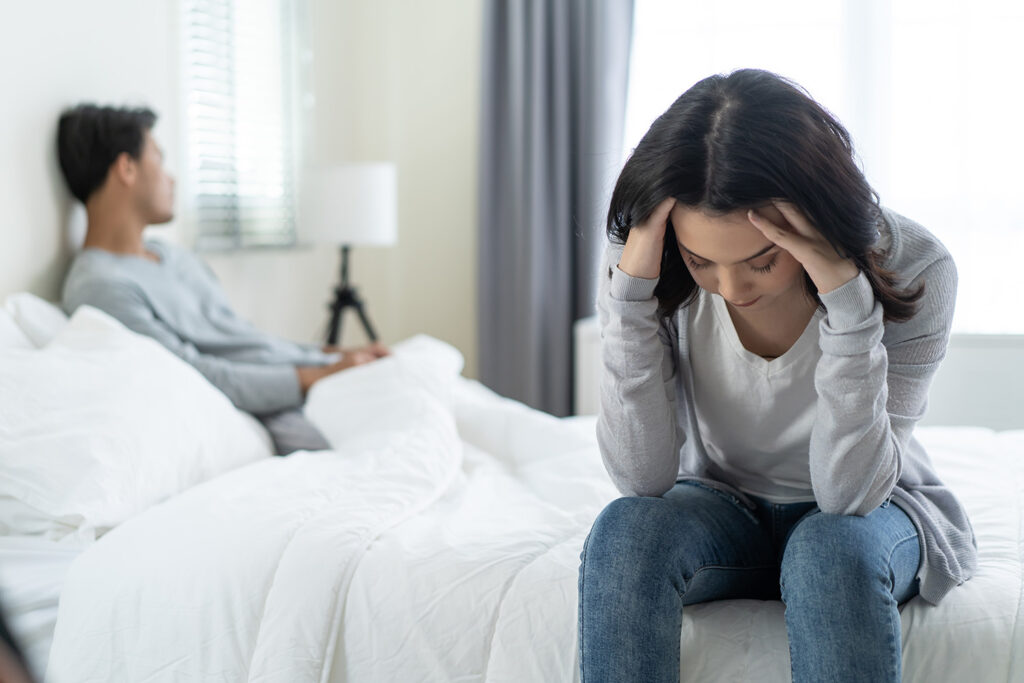
Cortisol and sleep influence each other in both directions. Higher cortisol before bed has been associated with shorter sleep, lighter sleep, and longer time to fall asleep. Poor or irregular sleep, in turn, is associated with flatter cortisol patterns the next day.
Many people then wake up feeling unrefreshed and experience more daytime fatigue. Appetite hormones and blood sugar regulation are also affected, which can make afternoon crashes and cravings feel stronger during the holiday season.
Why the Orlando Lifestyle Can Make This Worse
In Dr. Phillips and greater Orlando, the holidays often bring heavy theme park traffic, long drives on I-4, crowded shopping centers, and full social calendars. These demands layer on top of already busy work and family schedules, often without the colder weather cues that slow things down in other parts of the country.
When the stress response stays active for long stretches, cortisol may have fewer chances to settle into a healthy rhythm. Some people notice that holiday weight gain, sleep disruption, and afternoon exhaustion linger well into the new year.
When Do People Talk About Cortisol and Hormone Testing?
Testing is not only for severe cases. Many people choose to talk with a clinician when symptoms begin to affect daily life.
Common reasons patients at APMUC explore cortisol and hormone testing include:
- Persistent afternoon crashes and strong sugar cravings
- New or worsening belly weight despite similar habits
- Sleep that does not feel refreshing
- Mood changes, low energy, or low libido
- Being in your 30s to 60s and feeling stuck in this pattern year after year
At APMUC, the goal is to reduce guesswork and understand your physiology in context, not to rush to conclusions.
What Might a Cortisol and Hormone Panel Include?
There is no single universal panel. Depending on your symptoms and goals, testing may include:
- Morning serum cortisol
- Thyroid function tests such as TSH and free T4
- Sex hormones such as estradiol, progesterone, or testosterone
- Metabolic markers such as fasting glucose and a lipid panel
In some cases, a clinician may also consider testing cortisol at multiple points across the day to better understand your daily rhythm rather than relying on a single reading.
How Hormone Optimization Can Fit Into Stress and Weight Care
For adults with documented hormone imbalance, hormone optimization may be one option to support more stable hormone levels over time. This can include approaches such as bioidentical hormone pellet therapy under medical supervision.
Some people prefer pellet-based approaches because they provide a steady release over time without daily dosing. At APMUC, hormone optimization is never presented as a guaranteed solution. It is considered alongside sleep support, stress management, nutrition, and movement as part of a broader care plan.
Dr. Saied Shemiranei reviews whether any specific option fits your medical history, lab results, and personal goals.
Practical Steps You Can Start This Week
Evidence suggests consistent timing, movement, and light exposure work together to support healthier rhythms.
Consistent Wake Time
Keep it the same, even on weekends.
Morning Outdoor Light
Even during a short walk.
Protein & Fiber Lunch
Helps reduce afternoon crashes.
Brief Evening Wind-down
Routine with reduced screen time.
Treat Sleep as a Core Habit
Foundational health, not an afterthought.
Practical Steps You Can Start This Week
Medical care and lifestyle often work best together. Evidence suggests that consistent sleep timing, regular movement, and morning light exposure are associated with healthier cortisol patterns.
Many people find these steps helpful:
- Keep wake time as consistent as possible, even on weekends
- Get outdoor light in the morning, even during a short walk
- Include protein and fiber at lunch to reduce afternoon crashes
- Create a brief evening wind-down routine with reduced screen time
- Treat sleep as a core health habit, not an afterthought
What Is the Next Step?
If you live in Dr. Phillips or greater Orlando and notice that holiday stress, fatigue, and belly weight repeat each year, it may be reasonable to explore whether cortisol and hormones are part of the picture.
If you are noticing this pattern year after year, a calm, unhurried visit can help you decide whether cortisol or hormone testing makes sense for you.
Medical Disclaimer: This article is for educational purposes only and does not constitute medical advice. Hormone replacement therapy carries risks and benefits that vary by individual. Compounded bioidentical hormone therapy has not undergone the same rigorous FDA testing as synthetic hormone products. Consult with a board-certified physician before starting any hormone treatment. Individual results vary. Not all patients are candidates for pellet therapy.